She felt like a different person by session five
I want to share a recent client story with you because it shows exactly why I use Remedial Hot Stones as a clinical treatment tool in my practice.
MK was my first client when I moved to a new town. She had messaged me on Facebook asking if I could help her.
She arrived with persistent low back and gluteal pain that had been there for around four years. Sitting, standing, walking and even turning in bed were all painful, and her sleep was disturbed because of it.
Interestingly, light jogging and running were not painful, and actually helped. She was active, motivated, and had already done many of the right things.
Her chronic pain had started after a significant fall from an exercise bike at the gym, and over the four years since, she had seen a chiropractor, a physiotherapist and several massage therapists. She had even had imaging to rule out serious injury. She followed the advice she was given and compliantly did her exercises.
The exercises helped, but only to a point. She had plateaued, and was now exhausted, a little depressed, and wondering if she would ever live pain free again.
When she walked into my home clinic I could see the stiffness in her gait. When she sat down, she carefully adjusted the chair to avoid turning her body.
Clients like MK are not unusual in my clinic. In fact, this is one of the most common types of clients I see. Active, capable people with persistent low back, hip or gluteal pain who have employed the help of many therapists and improved a bit, but still feel stuck.
Starting with assessment
So we began with an in-depth consultation and a clear assessment, and together we came up with a treatment plan to see her for weekly treatments, for a total of six, as long as we kept seeing changes.
I benchmarked her movement, especially through the mid and lower body, pointed out my findings, and reassessed before and after each session.
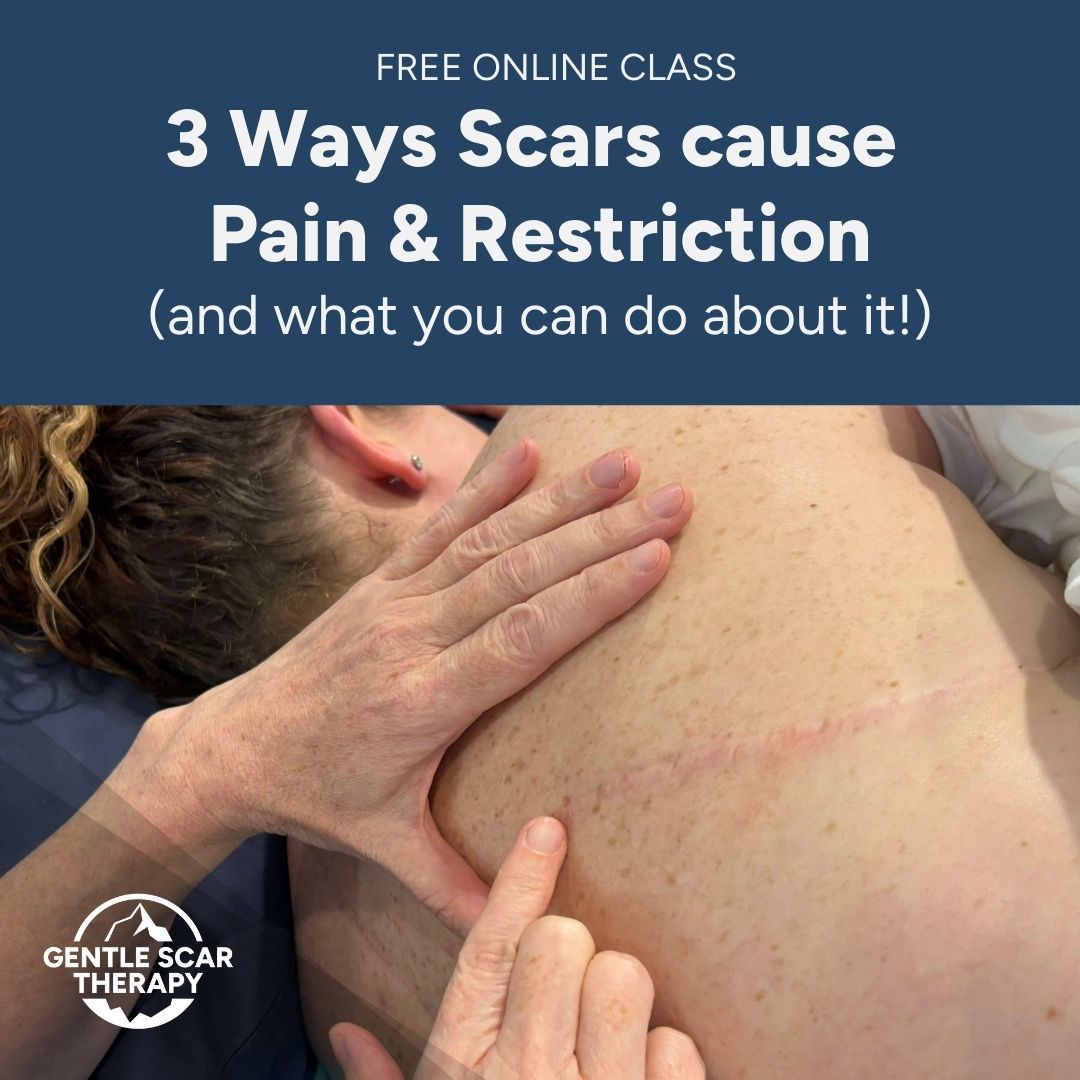
Across the sessions I worked with the QL, erectors, glutes, hamstrings, quads, adductors, psoas, lower limb tissue and some old scars from previous varicose vein surgery, treating trigger points throughout, especially in the QL.
The important part is this: I didn't go in hard.
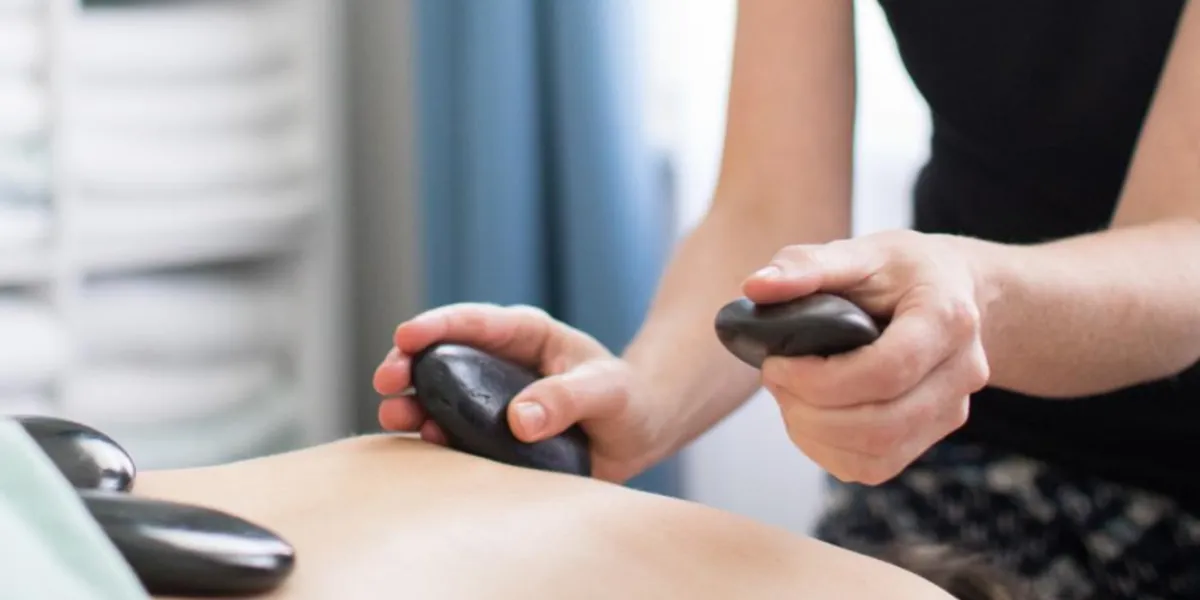
I used the heat of the stones to work at depth and with specificity, without forcing the tissue. This is where Remedial Hot Stones become so valuable. The stones help soften guarding, and because they feel so good, we were able to treat trigger points while supporting the nervous system the whole time.
The simplest homework
And here's the part I really love.
I gave MK one very simple piece of homework. Not a long rehab plan. Not a list of ten things to remember. Not something that felt overwhelming.
I just asked her to sit down to put on her underwear and trousers.
That was it.
Why? Because each morning, standing on one leg to get dressed was likely adding unnecessary load through an already weakened set of gluteal muscles, which then fed back into more low back and hip pain.
What changed across the sessions
By session four, walking and standing were easier, and we were able to get her turning on the table pain free.
By session five, she came in saying she felt like a different person. And then she told me she had forgotten to do the homework.
That is actually a really important part of this story. We had reduced the trigger point firing in her gluteals that were getting overloaded simply by getting dressed each morning, and we had built enough trust that she felt able to be honest with me about the homework.
The treatment itself was creating change. Her body was responding, her movement was improving, her pain was reducing and her sleep was getting better.
The fact that she forgot the homework told me something else too. Her pain was no longer dominating her attention in the same way, and her muscle health and strength were clearly improving. The treatment was working.
By session six, she had no pain. She could turn in bed, sit, stand, walk, jog and run without any pain at all.
Why I love this work
This is the kind of client Remedial Hot Stones was made for. The client who is guarded. The client who is sore. The client who has tried everything. The client who does not need more force, but does need skill, warmth, assessment, and a therapist who knows how to work clinically with the stones.
Inside the Remedial Hot Stones program, I teach you how to use stones confidently and remedially, so they become one of the most useful tools in your treatment room. Not just for relaxation, not just for winter, not just for special occasion treatments, but for real clients with real pain patterns, especially those in chronic pain and with guarded nervous system presentations.
If you have ever thought, "I love the idea of hot stones, but I want to use them properly as a remedial therapist," this is exactly what we teach.
The next intake of the Remedial Hot Stones Mentored Program starts on 6 July 2026.